
In the kaleidoscope of cinema, where stories are spun and worlds are built, characters stand at the heart of the narrative tapestry. They are the mirrors reflecting our own complexities, the flawed heroes and relatable villains who captivate our imagination. But how do filmmakers craft these intricate personas, weaving relatability with imperfection? This article delves into the art and science behind creating characters that resonate, exploring the techniques and philosophies filmmakers employ to breathe life into the flawed yet compelling figures that populate our screens. Join us as we unravel the secrets of storytelling that transform mere words into unforgettable human experiences.
Crafting Imperfect Narratives: The Art of Character Flaws
In the realm of storytelling, character flaws are not mere imperfections but essential ingredients that breathe life into narratives. Filmmakers masterfully weave these flaws into their characters, transforming them into reflections of our own humanity. Whether it’s a hero’s arrogance or a protagonist’s fear of failure, these imperfections invite audiences to connect on a deeper level.
- Vulnerability: Characters that show vulnerability often resonate more, allowing viewers to see their struggles and triumphs.
- Conflict: Flaws create internal and external conflicts, driving the narrative forward and adding layers of complexity.
- Growth: Watching characters confront and evolve from their imperfections provides a compelling arc that mirrors real-life journeys.
By embracing these imperfect narratives, filmmakers craft stories that are not just watched but felt, leaving a lasting impression on audiences worldwide.
Balancing Relatability: The Fine Line Between Flaw and Virtue
Creating characters that resonate with audiences involves a delicate balance. Filmmakers must navigate the fine line between a character’s flaws and their virtues, ensuring they remain both compelling and relatable. This balancing act is crucial for authenticity, drawing viewers into a narrative that feels genuine and human. A well-crafted character is not without faults; rather, their imperfections are what make them memorable and engaging. They reflect the complexity of real life, where virtues and flaws often coexist.
To achieve this balance, filmmakers often employ several techniques:
- Layered Personalities: Characters are given a mix of strengths and weaknesses, creating depth and relatability.
- Relatable Struggles: Characters face challenges that mirror common human experiences, making their journey relatable.
- Dynamic Growth: Flaws are not static; characters evolve, learning from their mistakes and growing over time.
By focusing on these elements, filmmakers craft stories that not only entertain but also resonate on a personal level, leaving a lasting impact on their audience.
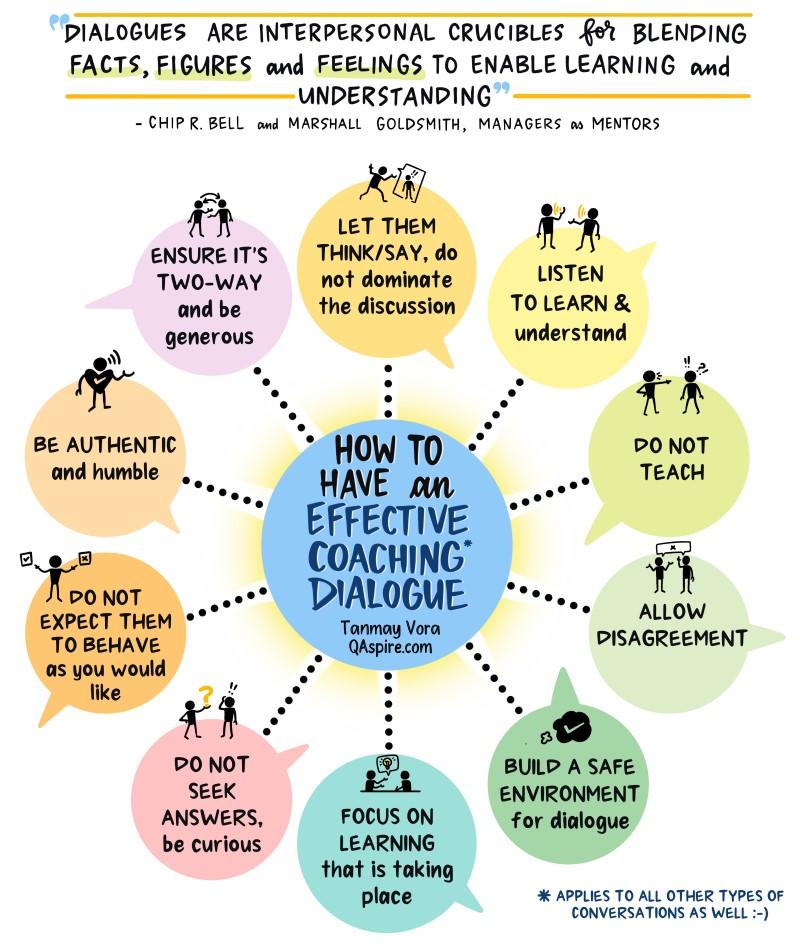 Dialogue and Depth: Bringing Complexity to Life”>
Dialogue and Depth: Bringing Complexity to Life
Crafting characters that resonate with audiences often hinges on the intricate balance between dialogue and character depth. Dialogue serves as the vessel through which a character’s inner world is revealed, offering glimpses into their motivations, fears, and desires. Filmmakers often employ several techniques to ensure that conversations feel authentic and layered:
- Subtext: What characters leave unsaid often speaks volumes, allowing audiences to read between the lines and infer deeper meanings.
- Conflict: Engaging dialogue thrives on tension, where characters’ opposing goals or viewpoints create dynamic exchanges.
- Realism: Naturalistic speech patterns, including interruptions and hesitations, add authenticity to interactions.
In tandem with dialogue, character depth is achieved by exploring the multifaceted nature of human flaws. Relatable characters often embody contradictions, making them compelling and human. Complexity in character development might involve:
- Backstory: Rich histories provide context for a character’s present actions and decisions.
- Growth: A character’s journey of change or self-discovery often resonates deeply with viewers.
- Ambiguity: Leaving room for interpretation allows audiences to engage with characters on a personal level.
Through these techniques, filmmakers breathe life into their creations, inviting audiences to connect with and reflect upon the beautifully flawed nature of humanity.

Empathy in Storytelling: Techniques for Authentic Characters
Creating characters that resonate deeply requires filmmakers to delve into the heart of human experience. Empathy is the key that unlocks the door to authenticity. By understanding and reflecting the multifaceted nature of human emotions, storytellers craft characters that feel real and relatable.
- Detailed Backstories: Characters with rich histories allow audiences to see their motivations and vulnerabilities, fostering a deeper connection.
- Complex Flaws: Emphasizing imperfections makes characters relatable. It’s their struggles and growth that captivate viewers.
- Genuine Reactions: Characters responding to situations in ways that reflect real human emotions enhance authenticity.
- Diverse Perspectives: Including varied viewpoints ensures a richer narrative tapestry, allowing audiences to find themselves in the story.
By weaving these elements into their storytelling, filmmakers create a powerful emotional bridge between the character and the audience, inviting viewers to walk alongside them in their journey.


