
In the dim glow of a digital revolution, the silver screen is undergoing a transformation as profound as the leap from silent films to talkies. Enter the realm of virtual production—a captivating fusion of technology and artistry that is reshaping the very fabric of cinema. This innovative approach, blending real-time computer graphics with live-action footage, is not just a fleeting trend but a powerful force poised to redefine storytelling. As filmmakers harness this cutting-edge tool, the boundaries of imagination expand, crafting worlds once deemed impossible. Join us as we explore how virtual production is changing the future of cinema, unlocking new dimensions in creativity and redefining the art of the possible.
Revolutionizing Storytelling: The Artistic Freedom of Virtual Sets
In the realm of cinema, virtual sets are unlocking unprecedented artistic freedom, transforming how stories are told. Directors and cinematographers are no longer constrained by physical locations, allowing for a seamless blend of imagination and reality. With virtual production, filmmakers can create entire worlds with the stroke of a digital brush, enabling storytelling that is both visually stunning and infinitely adaptable.
- Dynamic Environments: Change settings instantly to match the narrative’s needs without logistical hurdles.
- Enhanced Creativity: Explore uncharted terrains and fantastical landscapes that were previously impossible or prohibitively expensive.
- Real-time Adjustments: Modify scenes on-the-fly, ensuring the vision aligns perfectly with the director’s intent.
This revolution not only enhances the visual spectacle but also empowers creators to push the boundaries of storytelling, crafting experiences that captivate and inspire audiences like never before.
Harnessing Technology: Innovations Driving Cinematic Evolution
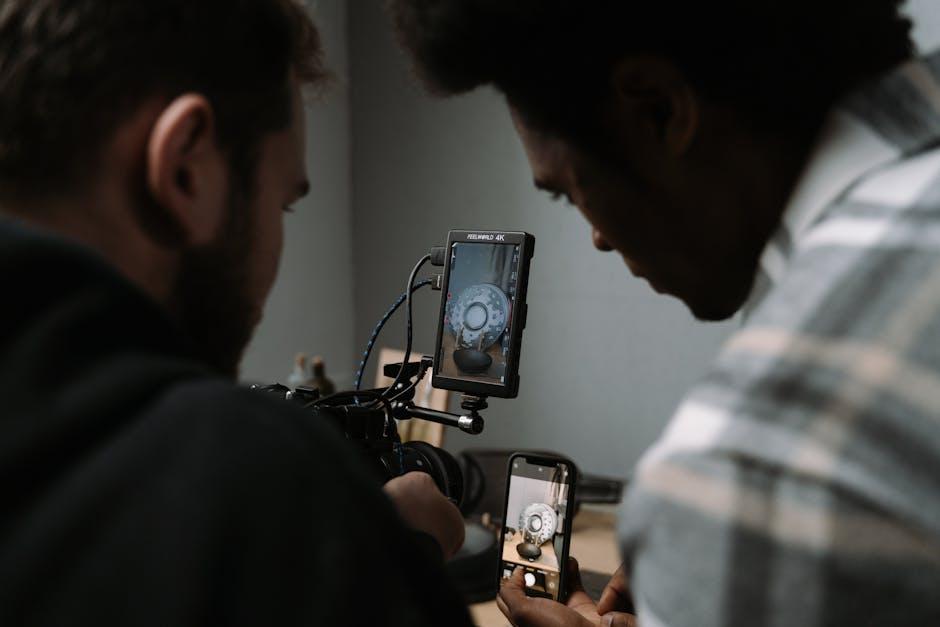
In the realm of filmmaking, virtual production is revolutionizing the way stories are told, offering filmmakers unprecedented creative freedom and efficiency. This cutting-edge approach merges digital environments with live-action footage in real-time, allowing directors to visualize and adjust scenes on the fly. With the use of advanced technologies like LED walls and real-time rendering, directors and cinematographers can craft intricate worlds without leaving the studio. This not only reduces costs but also enhances creative possibilities, enabling seamless integration of visual effects.
Key innovations driving this transformation include:
- Real-Time Rendering: Allows filmmakers to see the final look of a scene during the shoot.
- LED Volume Stages: Replace traditional green screens, offering immersive environments for actors.
- Game Engine Technology: Powers the virtual sets, providing flexibility and realism.
These advancements are not just technological marvels; they represent a shift in storytelling, where the boundaries between reality and imagination blur, crafting experiences that captivate audiences like never before.

Sustainable Filmmaking: Reducing Costs and Environmental Impact
In the realm of modern cinema, virtual production is revolutionizing both the environmental and economic landscapes. By integrating digital environments and real-time rendering, filmmakers can significantly cut down on physical resources and travel. This approach not only minimizes the carbon footprint associated with traditional filmmaking but also streamlines production processes, offering a cost-effective solution for both indie and blockbuster projects.
- Energy Efficiency: Utilizing LED screens and virtual sets reduces the need for extensive lighting setups and large physical constructions.
- Resource Conservation: Fewer material requirements lead to less waste and lower transportation emissions.
- Cost Reduction: Virtual environments can be altered quickly, reducing the need for expensive reshoots and set changes.
With these innovations, filmmakers are not only crafting compelling narratives but also championing sustainability in an industry poised for transformation.
Crafting the Future: Integrating Virtual Production in Traditional Filmmaking
In the evolving landscape of cinema, virtual production is emerging as a transformative force, seamlessly blending the digital with the physical to create groundbreaking storytelling experiences. By integrating advanced technologies such as real-time rendering and LED volume stages, filmmakers are no longer bound by the constraints of traditional sets and locations. Instead, they are empowered to explore limitless creative possibilities, enhancing both pre-visualization and on-set collaboration.
- Dynamic Environments: Directors can now visualize and adjust scenes in real-time, making it easier to align the creative vision with practical execution.
- Cost Efficiency: By reducing the need for extensive travel and set construction, virtual production can significantly cut down production costs.
- Enhanced Collaboration: Bringing together teams from different disciplines, this approach fosters a more integrated workflow, where artists and technicians can work in tandem from concept to completion.
As the boundaries between the digital and physical worlds continue to blur, virtual production is not just a tool but a catalyst for innovation, pushing the frontiers of what cinema can achieve.


