
In the dim glow of a theater, as the credits roll and the final scene fades, an audience may find themselves transported—lost in the world that just unfolded before them. While visuals often take center stage, it’s the subtle symphony of sound that breathes life into these cinematic realms. Among the unsung heroes of this auditory tapestry are Foley sounds, the meticulously crafted noises that echo the rustle of leaves, the clatter of footsteps, and the whisper of fabric. These sounds, though often unnoticed, are essential in weaving the rich, immersive worlds that captivate and transport viewers. As we delve into the art and impact of Foley, we uncover how these auditory illusions enhance storytelling, transforming mere images into vibrant, living landscapes.
Crafting Realism Through Everyday Sounds
In the art of filmmaking, Foley sounds are the unsung heroes that breathe life into the visual narrative. These meticulously crafted audio elements replicate the subtle nuances of everyday life, ensuring that each creak, rustle, and footstep resonates with authenticity. By capturing these familiar noises, Foley artists create a sonic tapestry that anchors the audience in the film’s world, making the extraordinary feel ordinary and the imaginary feel real.
- Footsteps on gravel: Evoking the crunch of boots on a rugged path.
- Rustling leaves: Mimicking the gentle whisper of nature.
- Clinking glasses: Enhancing scenes of camaraderie or tension.
- Doors creaking: Adding suspense or warmth to a setting.
These sounds, often recorded in specialized studios, are not merely about imitation; they are about interpretation. Each auditory detail is carefully chosen to support the narrative, blending seamlessly with the visual to create an experience that feels palpably real. By transforming the mundane into the magical, Foley sounds play a pivotal role in crafting immersive cinematic worlds that captivate audiences and enrich storytelling.
The Art of Synchronicity in Foley Production
In the intricate dance of film production, foley artists play a pivotal role in weaving the sonic tapestry that breathes life into the visuals. Their mastery lies in the art of synchronicity, where every rustle, footstep, and clink is meticulously timed to match the on-screen action. This synchronization is not just about aligning sounds with movements; it’s about creating a seamless auditory experience that resonates with the audience’s perception of reality.
Consider the following elements that highlight the artistry involved:
- Precision: Every sound cue must align perfectly with its visual counterpart, enhancing the believability of the scene.
- Creativity: Foley artists often invent unique methods to produce sounds that are not easily captured in real life.
- Emotional Impact: The right sound at the right moment can amplify the emotional depth, drawing viewers deeper into the narrative.
By synchronizing these crafted sounds with precision, foley artists transform the ordinary into the extraordinary, making the invisible tangible and the mundane magical.
Innovative Techniques for Authentic Soundscapes
In the realm of cinematic magic, the art of creating authentic soundscapes is an essential craft. Foley artists employ a range of innovative techniques to bring a film’s auditory world to life. Their toolbox includes a variety of everyday objects, each selected for its unique acoustic properties. For instance, a simple pair of coconuts can mimic the galloping of horses, while a tightly packed leather glove might simulate the sound of a punch. The key is in the subtle manipulation of these sounds to match the visuals perfectly, creating a seamless and immersive experience.
- Layering Sounds: Combining multiple recordings to achieve depth and complexity.
- Field Recording: Capturing ambient sounds from real-world environments to enhance realism.
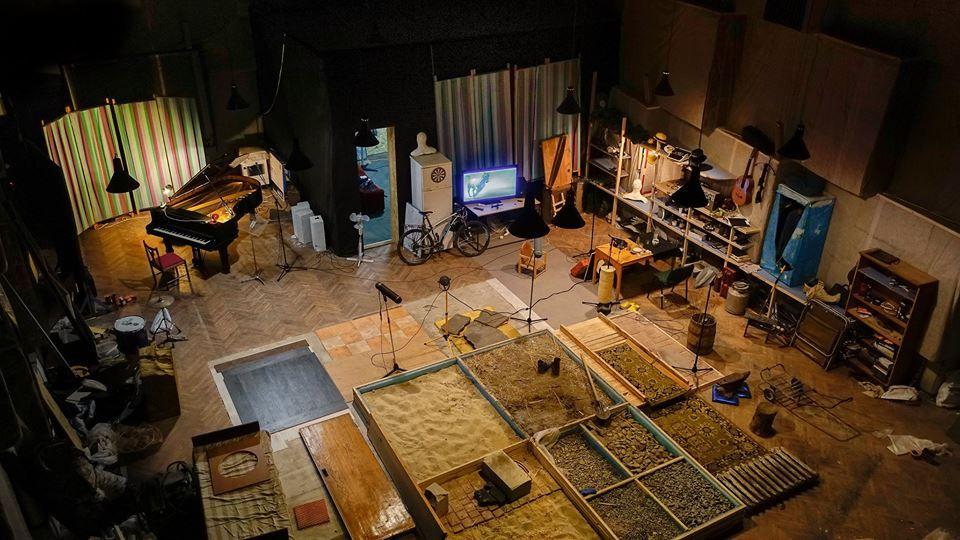
- Custom Foley Pits: Specialized surfaces for footsteps and movement, tailored to specific scenes.
These techniques, though often unnoticed by the audience, are crucial in constructing a believable world. By meticulously crafting each auditory detail, Foley artists enable viewers to not just see a film but to feel it, transforming the cinematic experience into something truly immersive.
Elevating Storytelling with Expert Foley Integration
In the realm of cinematic storytelling, the integration of expertly crafted Foley sounds can transform a film’s narrative from mundane to mesmerizing. Foley artists meticulously recreate ambient sounds that enrich the auditory landscape, adding layers of authenticity and emotional depth. These subtle yet powerful audio elements are crucial in crafting an immersive experience, allowing audiences to not just watch but truly inhabit the world on screen.
Consider the whisper of footsteps on a rain-soaked street, the rustle of fabric in a tense moment, or the creak of a door in a suspenseful scene. These sounds, often unnoticed when perfectly executed, enhance the realism and emotional resonance of a film. By seamlessly blending these auditory cues with the visual narrative, filmmakers can create a holistic sensory experience. The art of Foley is not just about sound; it’s about storytelling through sound.
- Realism: Foley sounds ground the audience in the film’s reality.
- Emotion: They amplify the emotional undertones of scenes.
- Continuity: Seamless audio helps maintain narrative flow.


