
Lights, camera, chaos! The world of filmmaking is a realm where creativity meets unpredictability, and no two days are ever the same. Behind the scenes, movie sets are bustling ecosystems where directors, actors, and crew members collaborate to bring visions to life. Yet, amidst the artistry and precision, unexpected challenges often arise, threatening to derail even the most meticulously planned productions. From sudden weather changes to technical glitches, the ability to adapt and innovate becomes paramount. This article delves into the ingenious solutions filmmakers employ to navigate these unforeseen hurdles, showcasing the blend of resourcefulness and creativity that defines the magic of movie-making.
Innovative Problem-Solving Techniques for Directors and Producers
Directors and producers often face unexpected challenges that require swift and creative responses. To navigate these hurdles effectively, employing innovative problem-solving techniques can be invaluable. One approach is to foster a culture of collaborative brainstorming. Encourage team members to share diverse perspectives and ideas, creating an environment where unconventional solutions can emerge. This not only leads to creative breakthroughs but also strengthens team cohesion.
Another technique is to utilize adaptive planning. This involves developing flexible schedules and contingency plans that allow for quick adjustments in response to unforeseen events. Key strategies include:
- Implementing real-time feedback loops to continuously assess and respond to evolving situations.
- Leveraging technology such as project management software to streamline communication and coordination.
- Building a network of reliable backup resources, including equipment and personnel, to ensure seamless transitions when needed.
By integrating these techniques, directors and producers can transform potential setbacks into opportunities for creativity and innovation.
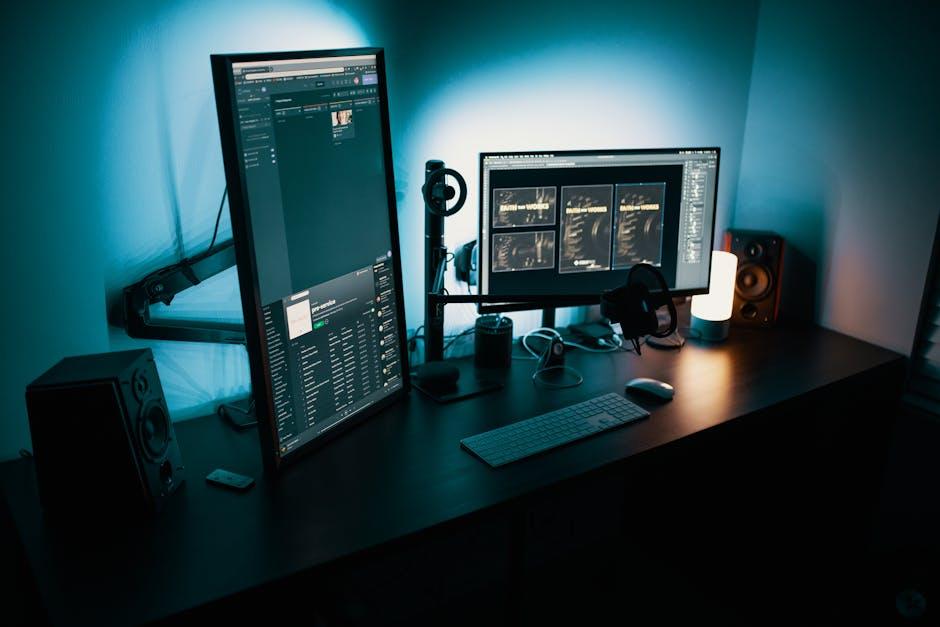
Harnessing Technology to Tackle On-Set Challenges
In the ever-evolving landscape of filmmaking, embracing cutting-edge technology has become essential to overcoming on-set hurdles. From unexpected weather changes to complex stunt sequences, filmmakers are turning to innovative solutions to keep production on track. Drones have revolutionized aerial shots, providing dynamic perspectives without the need for costly equipment or extensive crew setups. Virtual reality (VR) is being used for pre-visualization, allowing directors to plan and adjust scenes in a 3D space before the first camera rolls.
- Real-time collaboration tools: Facilitate seamless communication between departments, ensuring everyone is on the same page.
- Advanced lighting systems: Adapt to changing conditions, offering flexibility and creativity in capturing the perfect shot.
- 3D printing: Quick and cost-effective creation of props, reducing delays caused by unforeseen requirements.
These technological advancements not only streamline production but also open up new creative possibilities, allowing filmmakers to push the boundaries of storytelling.

Collaborative Approaches to Unexpected Production Hurdles
On a movie set, when unexpected production challenges arise, collaboration becomes the cornerstone of innovative problem-solving. Harnessing diverse expertise from directors, crew, and cast members can transform potential setbacks into creative breakthroughs. An open dialogue encourages spontaneous brainstorming sessions where every idea, no matter how unconventional, is valued.
Consider the following collaborative strategies:
- Cross-Departmental Meetings: Regularly scheduled sessions where departments like art, sound, and lighting share insights and troubleshoot collectively.
- On-the-Spot Workshops: Quick, impromptu workshops to address specific issues, allowing for immediate experimentation and feedback.
- Feedback Loops: Implementing continuous feedback mechanisms to adapt strategies in real-time and ensure everyone is aligned with the evolving vision.
By fostering a culture of shared responsibility and creativity, movie sets can turn unpredictable problems into opportunities for innovation and artistic expression.

Adapting Set Design for Unforeseen Circumstances
In the world of filmmaking, the ability to pivot and adapt is crucial. When unexpected challenges arise, creativity becomes the key to effective set design. Weather changes, for example, can turn an outdoor shoot into a logistical nightmare. To counter this, set designers might employ portable structures or use versatile materials that withstand various conditions. When location permissions are suddenly revoked, transforming a nearby space to match the intended aesthetic can be a lifesaver.
Consider the need to accommodate last-minute script changes. Designers can create modular set pieces that allow for quick reconfiguration. Innovative solutions include:
- Using digital backdrops to simulate different environments.
- Employing lightweight, movable walls for easy scene shifts.
- Utilizing multi-purpose props that serve several narrative functions.
By staying flexible and resourceful, set designers ensure the director’s vision is realized, even when the unexpected occurs.


