
In the glimmering world of cinema, where directors and actors often bask in the limelight, there lies a quieter, yet equally crucial force: the screenwriter. These architects of narrative craft the blueprints from which stories spring to life, weaving tales that captivate audiences and spark imagination. Yet, amid the applause and accolades, a pressing question emerges—are screenwriters truly valued for their indispensable role in the filmmaking process? As we delve into the intricate dynamics of the industry, we explore whether the architects behind the scenes receive the recognition and respect their artistry deserves.
The Invisible Architects of Storytelling
In the grand tapestry of cinema, the role of the screenwriter often unfolds behind the scenes, a subtle yet vital force that breathes life into the silver screen. Screenwriters are the invisible architects who craft the blueprints of every film, yet their contributions can be overshadowed by the allure of directors and actors. This dynamic raises an intriguing question: Are these storytellers truly appreciated for their foundational work?
- Visionaries in the Shadows: They envision worlds, characters, and dialogues, constructing the narrative scaffolding upon which every movie is built.
- Guardians of Authenticity: By anchoring films in compelling narratives, they ensure that the essence of the story remains intact throughout the production process.
- Unsung Heroes: Despite their pivotal role, recognition often eludes them, with awards and accolades primarily spotlighting other facets of filmmaking.
Perhaps it is time to shine a brighter light on these creators, acknowledging their profound impact on the stories that captivate and move us.
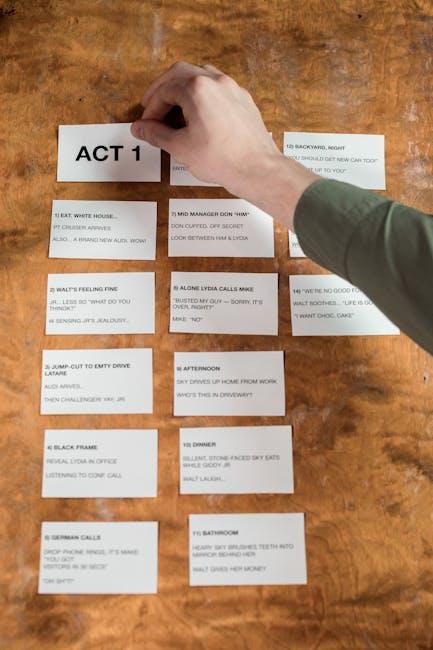
From Page to Screen: The Journey and Its Challenges
The transition from a book’s pages to a film’s frames is a complex and often daunting task. Screenwriters are tasked with transforming intricate narratives and rich character arcs into a script that captures the essence of the original work while adapting it to fit a new medium. This journey is fraught with challenges that can sometimes lead to the undervaluation of the screenwriter’s role. Here are a few key hurdles they face:
- Creative Constraints: Adapting a novel involves distilling hundreds of pages into a concise screenplay, often requiring the removal or alteration of beloved scenes and characters.
- Collaboration Complexities: Screenwriters must work closely with directors, producers, and actors, balancing their vision with the demands and expectations of the entire filmmaking team.
- Audience Expectations: Fans of the original work come with preconceived notions, and satisfying their expectations while creating a compelling cinematic experience is a delicate dance.
Despite these challenges, the screenwriter’s role is pivotal in bridging the gap between literature and cinema, crafting a narrative that resonates on screen while staying true to its source.

Valuing the Wordsmith: Enhancing Recognition and Compensation
In the bustling world of filmmaking, the spotlight often falls on directors and actors, leaving the invaluable contributions of screenwriters in the shadows. Yet, without the foundational narratives crafted by these wordsmiths, the cinematic experience would lose its essence. Recognizing the indispensable role of screenwriters begins with acknowledging their creativity and vision as the backbone of any production.
To enhance their recognition and compensation, the industry can adopt several measures:
- Equitable Credit: Ensuring screenwriters receive prominent billing alongside directors and producers.
- Increased Royalties: Adjusting royalty structures to better reflect the long-term value of a screenplay.
- Award Recognition: Expanding award categories to honor exceptional screenwriting in diverse genres.
- Contract Transparency: Promoting clear, fair contracts that safeguard the rights and contributions of screenwriters.
By taking these steps, the film industry not only honors the craft of screenwriting but also fosters a more inclusive and balanced creative ecosystem.

Fostering Collaboration: Bridging the Gap Between Writers and Directors
In the intricate dance of filmmaking, the relationship between writers and directors can sometimes feel like a delicate waltz, requiring both parties to move in harmony to create a cinematic masterpiece. However, bridging the gap between these two essential roles is often overlooked. This collaboration is crucial, as it ensures that the writer’s vision is not only understood but also translated effectively onto the screen.
- Open Communication: Establishing a dialogue early in the process can lead to a deeper mutual understanding, fostering a creative environment where both writers and directors feel valued.
- Shared Vision Workshops: Engaging in collaborative workshops allows for the exploration of ideas, aligning the narrative and visual storytelling aspects.
- Feedback Loops: Regular check-ins and constructive feedback sessions can help refine the script and its execution, ensuring that the final product resonates with the original intent.
By fostering a collaborative atmosphere, filmmakers can break down barriers, allowing for a seamless integration of the writer’s narrative expertise and the director’s visual artistry. This synergy not only enhances the storytelling process but also elevates the film to new heights, ensuring that the voices behind the scenes are heard and appreciated.


