
In the vast realm of cinema, where towering skyscrapers crumble and spaceships soar through infinite galaxies, a quiet artistry unfolds behind the scenes—one of precision, patience, and unparalleled creativity. Welcome to the enchanting world of miniatures, where filmmakers breathe life into small-scale models to craft some of the most iconic scenes in cinematic history. These meticulously crafted miniatures, often no larger than a tabletop, hold the power to transport audiences into worlds both familiar and fantastical. As we delve into the magic of miniatures, discover how these tiny marvels play a colossal role in shaping the grandeur of big films, blending illusion with reality in a dance of light and shadow.
Crafting Worlds: The Art of Miniature Set Design
In the world of filmmaking, miniature set design is a craft that transforms visions into reality, allowing directors to create expansive worlds within confined spaces. These small-scale models are not merely stand-ins but are meticulously crafted works of art that capture the essence of the story. By using intricate detailing and precise craftsmanship, filmmakers bring to life scenes that would otherwise be impossible or impractical to shoot on a full scale.
- Realism: Miniatures offer a tangible, physical presence that CGI sometimes struggles to replicate, giving scenes a sense of authenticity.
- Cost-Effectiveness: Constructing a miniature set can be more economical than building life-sized structures or relying heavily on digital effects.
- Artistic Control: Directors can manipulate lighting and angles to achieve the perfect shot, ensuring every detail aligns with their vision.
Whether it’s a sprawling cityscape or a fantastical alien landscape, the art of miniature set design continues to enchant audiences, proving that sometimes, the smallest details make the biggest impact.

Illusions of Grandeur: Techniques for Realistic Scale
In the realm of filmmaking, the art of crafting believable worlds often hinges on the ingenious use of miniatures. Filmmakers employ a range of techniques to ensure these small-scale models convincingly represent massive structures or landscapes on screen. By meticulously designing every detail, from texture to lighting, they create an illusion that captivates audiences. The strategic placement of cameras, coupled with precise angles, further enhances the perception of scale, transforming a tabletop model into a sprawling cityscape or a towering mountain range.
- Forced Perspective: This clever technique manipulates the viewer’s perception by positioning models closer to the camera, making them appear larger relative to their surroundings.
- Depth of Field: By controlling the focus, filmmakers can blur backgrounds and foregrounds, directing attention and creating a sense of depth.
- Lighting Effects: Skillful lighting mimics natural conditions, adding shadows and highlights that enhance realism.
These techniques, combined with modern CGI, create a seamless blend that enhances storytelling without breaking the illusion. The magic of miniatures lies in their ability to bring the grandest visions to life on the big screen, all from the confines of a studio.
From Concept to Creation: Building Detailed Miniatures
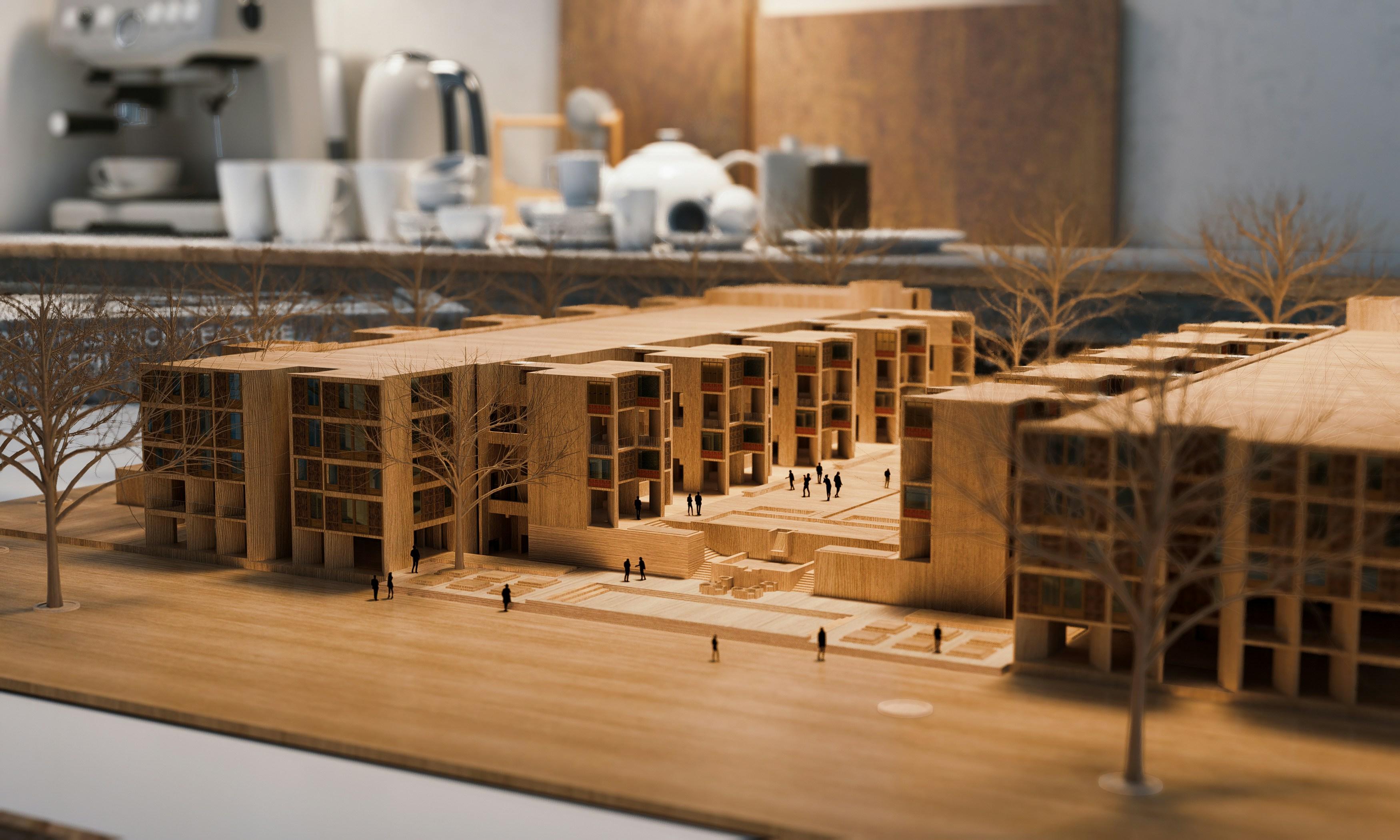
Transforming a concept into a tangible miniature is a meticulous journey that blends artistry with technical prowess. Designers and model makers collaborate closely, starting with sketches and detailed blueprints. Each element, from texture to color, is carefully planned to ensure it translates seamlessly on screen. The process often involves:
- Researching real-world references for authenticity
- Sculpting using materials like foam, plastic, or clay
- Painting and detailing to add depth and realism
- Testing under various lighting conditions
Once the miniature is crafted, it becomes a playground for filmmakers. Cinematographers and special effects teams explore creative angles, leveraging the model’s intricacies to evoke grand scales and epic narratives. This delicate dance between imagination and precision breathes life into stories, making the miniature a vital component in the cinematic toolkit.

Integrating Miniatures: Enhancing Visual Storytelling
Miniatures possess a unique ability to immerse audiences by creating fantastical worlds that feel tangible and real. Through the careful integration of these small-scale models, filmmakers can craft detailed landscapes and intricate settings that might otherwise be impossible to capture. These models allow directors to manipulate environments with precision, offering a level of control that enhances the narrative depth and visual appeal of a film.
Incorporating miniatures into visual storytelling involves a blend of creativity and technical skill. Filmmakers often use them to achieve effects that would be too costly or dangerous to produce at full scale. Consider the following benefits:
- Cost-Effectiveness: Miniatures reduce the need for expensive CGI or elaborate set constructions.
- Enhanced Realism: Their tangible nature allows for realistic lighting and texture.
- Flexibility: They can be easily modified to suit various scenes or storylines.


