
In the realm of cinematic storytelling, ”Blade Runner 2049″ stands as a beacon of visionary artistry, blending the boundaries of reality and imagination. While its narrative delves into profound existential questions, the film’s visual tapestry is equally compelling, crafted through a masterful fusion of practical effects and cutting-edge technology. This article explores the intricate process behind the creation of its mesmerizing futuristic world, revealing how tangible artistry brought an ethereal dystopia to life. From sprawling cityscapes to intimate, tactile details, discover the craftsmanship that rooted this sci-fi epic in a palpably real universe.
Crafting Tomorrow: The Art of Miniature Sets
In the age of digital dominance, Blade Runner 2049 stands out as a beacon of tactile artistry, crafting its dystopian universe with the meticulous detail of miniature sets. The film’s creators embraced the timeless charm of practical effects, conjuring a world that feels both expansive and intimate. These scaled-down versions of the film’s iconic landscapes, from the towering structures of a decaying Los Angeles to the eerie wastelands of Las Vegas, were painstakingly constructed to evoke a tangible sense of place.
- Attention to Detail: Each miniature was designed with precision, ensuring that every shadow and reflection mirrored reality.
- Textural Depth: The use of real materials provided a textural depth that CGI often struggles to replicate.
- Lighting Techniques: Innovative lighting techniques were employed to create the film’s signature atmospheric glow.
These practical effects not only grounded the film in a sense of realism but also paid homage to the craftsmanship of the original Blade Runner. By blending cutting-edge technology with traditional model-making, the creators of Blade Runner 2049 delivered a visual experience that is both nostalgically familiar and strikingly futuristic.
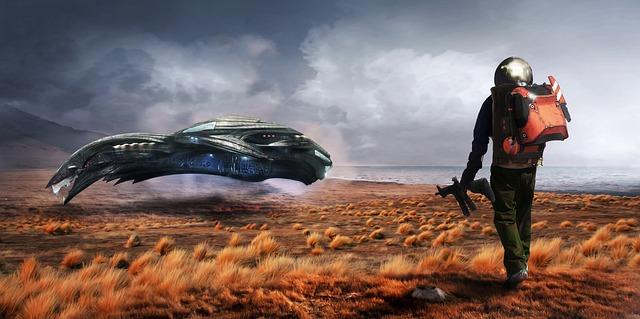
The Dance of Light and Shadow: Cinematic Techniques
In the visually stunning world of Blade Runner 2049, the intricate play of light and shadow is more than just an aesthetic choice—it’s a storytelling tool. Cinematic techniques such as chiaroscuro lighting and practical effects create an immersive environment that blurs the line between reality and fiction. By using tangible elements like smoke, mirrors, and reflective surfaces, the filmmakers crafted scenes that pulse with life and depth.
- Chiaroscuro Lighting: This technique emphasizes contrast, highlighting the duality of the world depicted—a future both dazzling and dystopian.
- Practical Effects: Real elements like miniatures and models bring authenticity, grounding the viewer in a tangible reality amidst the sci-fi narrative.
- Reflective Surfaces: Mirrors and glass play with perception, symbolizing the blurred lines between human and replicant.
Through these methods, the film transcends traditional CGI, offering a visceral experience that engages the audience on multiple sensory levels.

Soundscapes of the Future: Building an Auditory World
In the immersive realm of Blade Runner 2049, the auditory experience is as vital as the visual spectacle. The film’s sound designers meticulously crafted a sonic landscape that transports viewers to a dystopian future. By employing practical effects, they achieved a raw and authentic auditory world that resonates deeply with the narrative’s themes.
The team utilized a blend of traditional techniques and innovative sound design to create a rich tapestry of futuristic sounds. This involved:
- Recording real-world industrial noises and manipulating them to evoke the film’s gritty atmosphere.
- Layering synthesized tones with natural sounds to form a unique auditory texture.
- Employing analog equipment to produce an organic warmth that digital tools often lack.
These elements combined to construct an auditory experience that feels both familiar and otherworldly, enhancing the film’s visionary storytelling.

Costume Alchemy: Fashioning the Future
In the dystopian landscape of “Blade Runner 2049,” costumes serve as a bridge between the present and an imagined future. The film’s wardrobe is a masterclass in practical effects, merging traditional craftsmanship with visionary design. Costume designer Renée April employed a mix of vintage and modern fabrics, creating garments that felt worn and lived-in, yet advanced. By using weathered textures and layered materials, she brought depth to the characters’ personas, reflecting a world where humanity and technology coexist in complex harmony.
- Layered Textures: Combining fabrics like leather and wool to evoke a sense of history and resilience.
- Muted Color Palette: Earth tones and grays dominate, grounding the futuristic setting in a gritty reality.
- Handcrafted Details: Stitching and distressing techniques add authenticity to each piece.
April’s approach to costume design in “Blade Runner 2049” illustrates how practical effects can craft a believable future. By prioritizing tactile, tangible elements over CGI, the film’s wardrobe becomes an essential narrative tool, weaving a story of survival and identity in a world teetering on the edge of tomorrow.


