
In the world of filmmaking, where imagination knows no bounds, authenticity remains a cherished compass guiding storytellers to craft believable worlds. At the heart of this pursuit lies the art of location scouting—a meticulous process that transforms ordinary landscapes into cinematic masterpieces. This silent yet powerful element of production breathes life into scripts, offering audiences a seamless blend of narrative and reality. As we delve into the intricacies of location scouting, we uncover how these carefully chosen settings not only anchor stories in genuine environments but also elevate the entire viewing experience, bridging the gap between fiction and the palpable world.
Discovering the Perfect Backdrop: The Art of Location Scouting
Location scouting is a meticulous craft, merging the art of storytelling with the tangible world. Scouters venture into diverse landscapes, from bustling urban streets to serene rural vistas, in search of the perfect setting that resonates with the film’s narrative. This process demands a keen eye for detail, an understanding of the script’s essence, and an appreciation for the subtle interplay of light and shadow.
- Authenticity: Choosing the right location ensures the story feels genuine and immersive.
- Atmosphere: The ambiance of a place can enhance emotional impact, making scenes more memorable.
- Versatility: A well-chosen backdrop offers flexibility, allowing for various scenes to be shot in one location.
Ultimately, the art of finding the ideal backdrop is about aligning the visual elements with the director’s vision, creating a seamless blend of reality and imagination.
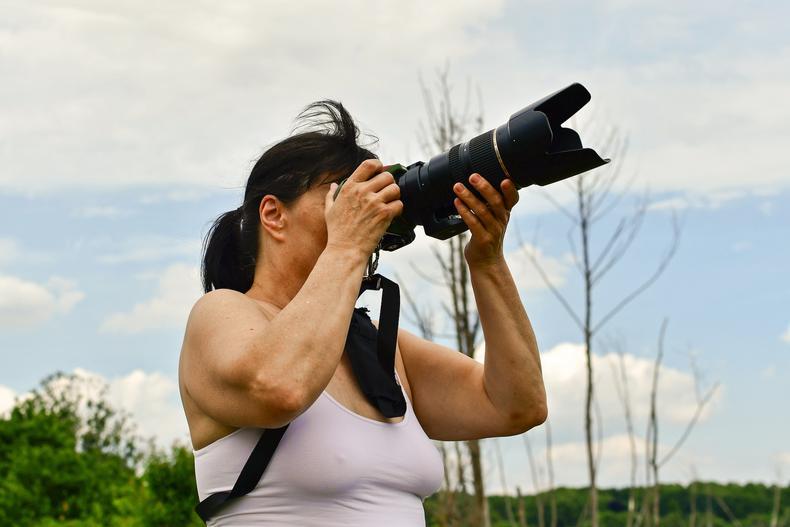
Balancing Realism and Imagination: Crafting Authentic Film Environments
In the intricate dance between realism and imagination, location scouting plays a pivotal role in crafting environments that resonate with authenticity. The art of selecting the perfect backdrop involves more than just visual appeal; it’s about capturing the essence of a story and grounding it in a world that feels both believable and enchanting. The process often requires balancing historical accuracy with creative flair, ensuring that each setting serves as a seamless extension of the narrative.
To achieve this balance, filmmakers often consider several key elements:
- Historical Context: Does the location reflect the time period accurately, or does it require subtle modifications?
- Cultural Relevance: Is the environment reflective of the cultural nuances essential to the story?
- Atmospheric Quality: How does the natural light, weather, and landscape contribute to the mood?
- Practical Logistics: Is the site accessible and suitable for the crew and equipment?
By meticulously considering these factors, filmmakers can create a cinematic world where the boundaries between reality and fantasy blur, inviting audiences to immerse themselves fully in the story.

Navigating Challenges: Insider Tips for Effective Location Scouting
Location scouting is a crucial step in the filmmaking process, yet it comes with its own set of challenges. To navigate these effectively, consider these insider tips:
- Research Thoroughly: Before stepping foot on potential sites, immerse yourself in detailed research. This includes understanding the local geography, culture, and any legal considerations that might impact filming.
- Embrace Flexibility: Not every location will be perfect. Be prepared to adapt your vision to fit the environment or vice versa. This flexibility often leads to unexpected creative breakthroughs.
- Network Locally: Engage with local experts and communities. They can provide invaluable insights and may help you gain access to hidden gems not visible to outsiders.
By focusing on these strategies, location scouts can transform potential obstacles into opportunities, ensuring that each chosen site enhances the story’s authenticity and depth.

Enhancing Storytelling Through Genuine Settings: A Guide for Filmmakers
In the realm of filmmaking, the choice of setting can profoundly influence the authenticity of the story being told. Location scouting is an essential process that ensures each scene resonates with genuine emotion and atmosphere. By selecting sites that reflect the narrative’s true essence, filmmakers can create a tangible connection between the characters and their environment.
- Research Thoroughly: Dive deep into the story’s context and historical background to find locations that naturally fit the narrative.
- Engage with Locals: Conversations with local residents can unveil hidden gems and unique insights that enhance the setting’s authenticity.
- Consider Practicality: While authenticity is key, ensure the location is logistically feasible for the production team.
Ultimately, the goal is to craft a world that feels lived-in and believable, allowing audiences to fully immerse themselves in the cinematic experience. Genuine settings breathe life into stories, making them memorable and impactful.


