
In the vast tapestry of modern cinema, few franchises have captured the imagination quite like the Marvel Cinematic Universe (MCU). From the electrifying arc of Tony Stark’s transformation into Iron Man to the intergalactic escapades of the Guardians of the Galaxy, the MCU has consistently pushed the boundaries of storytelling and spectacle. Central to this cinematic marvel is the seamless integration of CGI That Made This Year's Sci-Fi Epic Possible”>visual effects, a behind-the-scenes alchemy that has transformed comic book panels into vibrant, living worlds. This article delves into the intricate artistry and technological innovation that have propelled the MCU to its iconic status, exploring how visual effects have not only shaped its narrative but also redefined the possibilities of modern filmmaking.
Crafting Iconic Battles and Worlds Beyond
The Marvel Cinematic Universe (MCU) has dazzled audiences with its spectacular battles and immersive worlds, largely thanks to groundbreaking visual effects. The seamless blend of CGI and live-action allows viewers to experience the grandeur of Asgard, the vastness of the Quantum Realm, and the intensity of Wakanda’s battlefields. By utilizing cutting-edge technology, Marvel Studios crafts environments that feel both fantastical and real, pulling audiences deeper into the narrative.
- Innovative CGI: From the intricate details of Iron Man’s suit to the ethereal landscapes of Doctor Strange, CGI is pivotal in bringing these elements to life.
- Motion Capture Magic: Characters like Thanos and the Hulk showcase how motion capture can add depth and realism to performances.
- Seamless Integration: Practical effects and CGI work in harmony, creating action sequences that are both visually stunning and emotionally resonant.

The Evolution of Technology in Superhero Storytelling
As the Marvel Cinematic Universe (MCU) expanded, so did the technological prowess that brought its stories to life. Visual effects (VFX) have been pivotal in transforming comic book panels into breathtaking cinematic experiences. From the intricate detailing of Iron Man’s suit to the vibrant, otherworldly landscapes of Guardians of the Galaxy, VFX have allowed filmmakers to push the boundaries of what’s possible, creating a seamless blend of reality and fantasy.
The MCU’s evolution in VFX can be observed through several key innovations:
- Motion Capture: Enabled nuanced performances, bringing characters like Hulk and Thanos to life with unprecedented realism.
- Digital Environments: Crafted immersive worlds, such as Wakanda and Asgard, offering audiences a visual spectacle that felt both authentic and imaginative.
- Advanced CGI: Allowed for dynamic action sequences and complex visual storytelling, setting new standards for superhero films.
These technological advancements have not only shaped the MCU’s aesthetic but also elevated the genre, inspiring future storytellers to explore the limitless potential of visual effects in crafting their narratives.
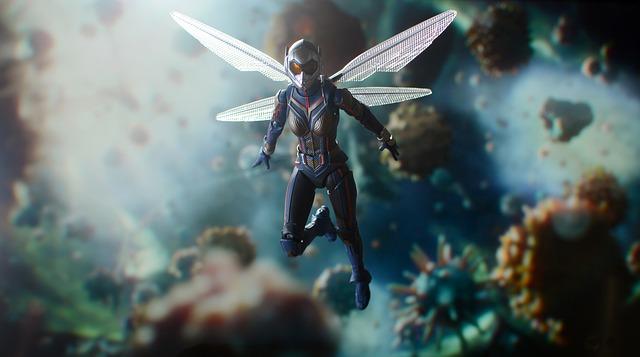
Behind the Scenes: Artists and Innovators in VFX
The Marvel Cinematic Universe (MCU) owes much of its visual splendor to the ingenious minds working tirelessly behind the scenes. Visual effects artists and innovators are the unsung heroes who bring fantastical worlds and larger-than-life characters to reality. These creative powerhouses employ cutting-edge technology and imaginative artistry to craft the seamless integration of the fantastical with the tangible.
- Realism in Fantasy: By blending CGI with live-action, they ensure that even the most surreal elements feel authentic.
- Innovative Techniques: Techniques like motion capture and virtual production are constantly evolving, pushing the boundaries of what’s possible.
- Collaborative Genius: These artists work closely with directors and actors, translating visionary ideas into stunning visual narratives.
Through their dedication, the MCU not only captivates audiences but also sets a new standard for visual storytelling, making the impossible, possible.
Lessons from Marvel: Pushing Boundaries in Film Production
The Marvel Cinematic Universe (MCU) has redefined what’s possible in film production, largely due to its groundbreaking use of visual effects. Marvel Studios consistently pushes the envelope by integrating advanced technology with creative storytelling, creating worlds that captivate audiences worldwide. This seamless blend of the real and the imaginary is achieved through a meticulous process that combines traditional filmmaking techniques with cutting-edge digital innovation.
- Innovative Technology: From motion capture to CGI, Marvel employs a range of technologies to bring its iconic characters to life. This approach allows for the creation of lifelike superheroes and intricate worlds that resonate with audiences.
- Collaborative Creativity: The studio fosters an environment where directors, artists, and technicians collaborate closely, ensuring that every visual element aligns with the story’s vision.
- Immersive Storytelling: By pushing the boundaries of visual effects, Marvel enhances narrative depth, offering viewers an immersive experience that transcends traditional cinema.
Marvel’s commitment to innovation in visual effects not only elevates the cinematic experience but also sets a new standard for the industry, challenging filmmakers to continually explore the limits of their craft.


